
The role of nutrition in hearing care.
Beyond the environment we inhabit, the internal landscape of our body dictates our long-term sound perception. At Oidosana, we explore how natural ingredients and conscious dietary choices contribute to ear and hearing health in an increasingly noisy world.

Foundational elements for
comforting sound perception.
Every day, the delicate structures within our ears process a vast spectrum of frequencies. This metabolic activity requires specific support. Understanding the impact of noise on hearing is only half the battle; the other half is ensuring the internal biological structures have the resources they need to remain resilient against oxidative stress.
Lifestyle and hearing are inextricably linked. When we prioritize healthy habits for hearing, we aren't just protecting a sense; we are investing in our connection to the world around us. Natural ingredients, specifically those rich in potassium, magnesium, and specific vitamins, act as the building blocks for this sensory endurance.
-
01
Magnesium & Protection
Often found in spinach and bananas, this element helps maintain a steady flow of nutrients to the inner ear, supporting sound perception even during long periods of auditory activity.
-
02
Potassium Regulation
The fluids within our ears rely on potassium levels to translate vibrations into signals. Maintaining this balance is a cornerstone of hearing in everyday life.
-
03
Folate & Circulation
Dark leafy greens offer folate, which assists in maintaining vascular health, ensuring that the extremities of our sensory systems receive ample support.
Caring for your hearing through
seasonal biodiversity.
In the context of modern lifestyles, we are often surrounded by processed choices that lack the dense nutrition required for sensory peak performance. Returning to natural sources is not a trend, but a necessity for long-term hearing hygiene.

Oxidative Balance
Antioxidants from berries and greens help neutralize the effects of environmental factors affecting hearing, preserving the delicate hair cells responsible for sound clarity.
Structural Integrity
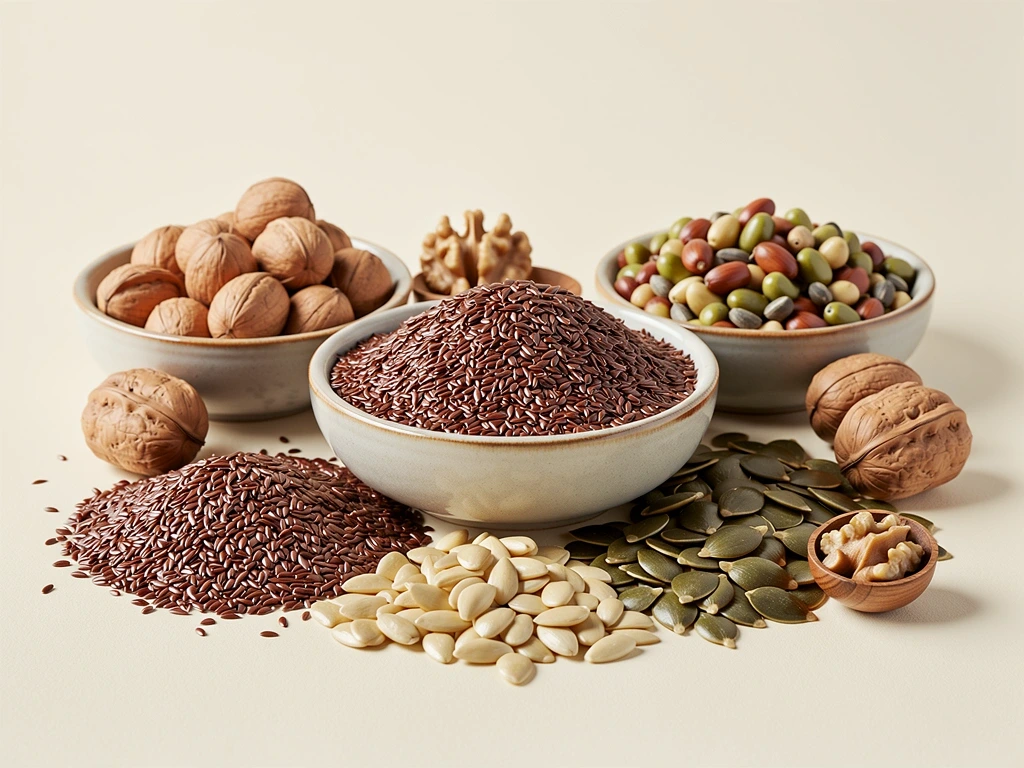
Zinc, found in seeds and legumes, is localized in high concentrations in the inner ear. Regular intake supports natural defense mechanisms within our sensory systems.

Nerve Conductivity
Healthy fats and B-vitamins play a role in the efficient transmission of electrical impulses from the ear to the brain, maintaining sharp sound perception.
Daily habits for hearing care.
True well-being is not achieved through a single heroic act, but through the accumulation of small, consistent choices. At Oidosana, we emphasize that what you put on your plate is just as important as how you protect your ears from loud volume.
Explore All HabitsConsistent Hydration
The inner ear contains fluid that is highly sensitive to total body hydration levels. Simple, consistent water intake ensures this fluid maintains its pressure and function.
Pure Ingredient Selection
Minimize the intake of refined sugars that can cause rapid fluctuations in energy levels, which may subtly affect the quality of sound perception over time.
Restful Rhythms
Allowing the sensory organs to rest in quiet environments at night helps them process the nutritional support they received during the day.
Hearing and quality of life are mirrored in our relationship with nature.
By focusing on prevention of hearing discomfort through balanced living and specific attention to hearing health, we empower ourselves to stay connected to the sounds that define our lives—from the quiet rustle of leaves to the voices of our loved ones.
Inquiries & Expert Guidance
Join the conversation on auditory well-being.